Canvas - Huiji Im, bamboo in ink
- In stock, ready to ship
- Delivery in 5–7 business days
- Free worldwide shipping* on orders of €60 or more
* For deliveries to countries outside Europe, the United Kingdom (UK), North America, Brazil, and Japan, additional import duties, customs duties, import VAT, or customs clearance fees may apply depending on the respective delivery and production locations. These costs are to be borne by the recipient.
ARTLIA's art prints are produced according to standardized paper and canvas formats.
Depending on the aspect ratio of the original artwork and the chosen format, it may happen that the edges of the image are slightly adjusted to achieve a harmonious overall effect and high print quality.
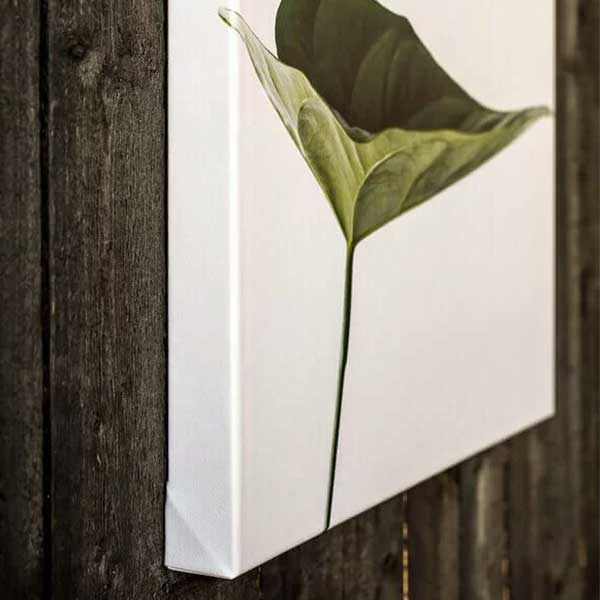
For canvas prints, the ARTLIA team ensures that the main motif is placed as fully as possible on the front side. The side frame areas are continued in color and style to match the original image.
This is a deliberate and common production step with which the ARTLIA team ensures the aesthetic quality of each artwork.
One motif, many styles: discover our diverse collection


Framed Canvas - Huiji Im, Bamboo in Ink
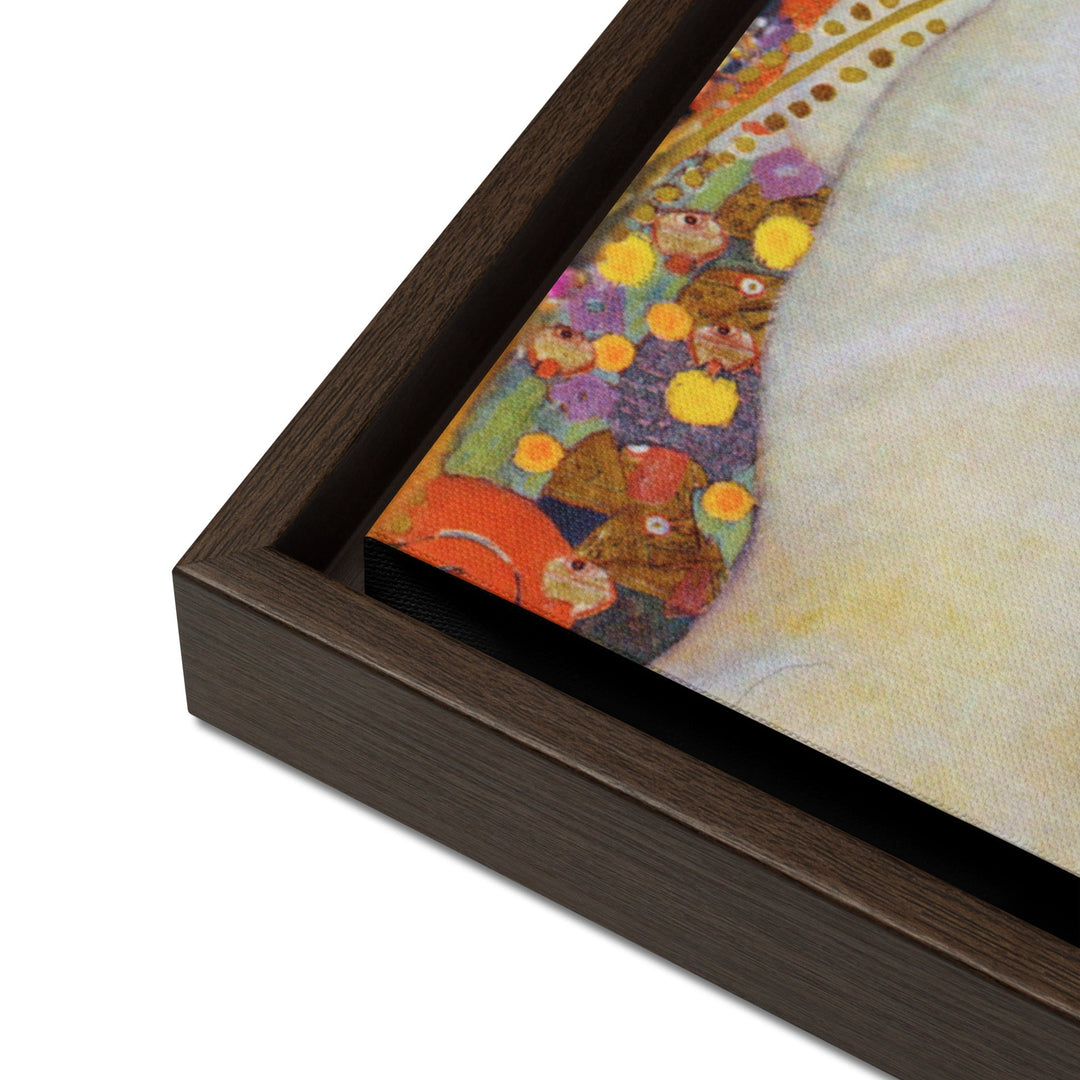
Brighten up your bare walls with this eye-catching framed canvas! This high-quality framed canvas - Huiji Im, Bamboo in Ink, made from pine, comes with rubber pads on the back corners and a wall mount for easy hanging. Plus, the frame gives the canvas a cool floating effect!
• Frame: pine
• Frame thickness: 3.18 cm (1.25″)
• Canvas fabric weight: 344 g/m² +/- 25g/m² (10.15 +/- 0.74 oz/yd²)
• Open back
• Rubber pads on the back corners
• Hanging hardware attached
• Blank product sourced from the United States
Disclaimers:
- Framed canvases with brown and black frames have a black inner edge around the canvas, while canvases with white frames have a white inner edge around the canvas.
- This product is not intended for sanding or cutting — doing so creates airborne dust that can cause lung irritation.

Unframed Canvas
Looking to add some flair to your office or home? Look no further! This canvas print - Bamboo in Ink by Huiji Im, with its vivid, fade-resistant colors, is sure to catch the eye.
• 3.18 cm (1.25″) thick poly-cotton blend canvas
• Canvas fabric weight: 344 g/m² +/- 25 g/m² (10.15 +/- 0.74 oz./yd.²)
• Fade-resistant
• Stretched by hand over a solid wood stretcher frame
• Mounting hardware included
• Blank product sourced from the United States, Canada, Europe, the United Kingdom, or Australia

Bamboo in Ink
Huiji Im, 임희지 (1765–?)
The bold elegance of bamboo – an expression of character, steadfastness, and Korean scholarly art from the Joseon Dynasty.
With bold yet remarkably fluid brushstrokes, Huiji Im brings the distinctive form of bamboo to life on paper. The slender, upright-growing stalks and characteristic pointed leaves unfold in a composition that radiates both vitality and inner calm. Varying ink intensities, confident lines, and the deliberate use of empty space lend the subject remarkable expressive power.
At first glance, the painting seems to achieve a lot with very little. Yet it is precisely the variety of brushstrokes that reveals the artist’s exceptional skill. The bamboo stalks appear firm and steadfast, while the leaves unfurl with an almost dance-like lightness. Their varied directions create a natural rhythm that brings movement and tension to the entire painting.
Huiji Im does not limit himself to a botanically accurate depiction of the plant. Rather, his aim is to reveal its distinctive character: the union of outer grace and inner strength.
Bamboo – A Symbol of Honesty and Steadfastness
In traditional East Asian art, bamboo has a special symbolic meaning. Together with the orchid, plum blossom, and chrysanthemum, it belongs to the so-called “Four Noble Plants” (Sagunja). In scholar and literati painting, these four plants represent human virtues and the ideals of a cultivated character.
Bamboo embodies, in particular, honesty, perseverance, and inner strength. Its upright stalks continue to grow even in difficult conditions. They can bend in the wind without losing their distinctive bearing. This quality, in particular, made bamboo a symbol of the ideal scholar: someone who can adapt to external circumstances without abandoning their convictions and moral principles.
The hollow bamboo stalks also carry a deeper meaning. Traditionally, they are associated with modesty, openness, and inner emptiness. Accordingly, the ideal person should be free of arrogance while also having the capacity to absorb knowledge and wisdom.
Bamboo is therefore far more than a decorative plant motif. It represents a character defined by integrity, modesty, and an unwavering inner resolve.
The Art of the Brushstroke – Power and Movement in Black Ink
One defining feature of Huiji Im’s bamboo painting is its expressive brushwork. The individual stalks and leaves are created through deliberate, sometimes highly dynamic brush movements. Strong, dark lines alternate with lighter, more transparent ink strokes.
The interplay of different ink concentrations is particularly distinctive. Depending on the brush’s moisture, pressure, and speed, a range of tones emerges—from deep black to soft shades of gray. This gives the painting remarkable vitality, even though it uses no color at all.
The bamboo stalks convey stability and order through their clear lines. The leaves, by contrast, appear more fluid and spontaneous. They cross one another, lean in different directions, and form a dynamic network of lines and shapes.
Huiji Im knew how to combine these different modes of expression. His bamboo paintings are distinguished not only by their technical mastery but also by their unmistakable personal style.

Korean Literati Painting – Between Tradition and Personal Expression
The work can be placed within the context of Korean literati painting (Muninhwa) of the late Joseon dynasty. This painting tradition was closely associated with the culture of educated literati and scholars. Its focus was not solely on depicting a subject as realistically as possible, but above all on the artist’s personal outlook and intellectual expressiveness.
Huiji Im was among the artists of his time who devoted particular attention to depicting bamboo and orchids. His bamboo paintings were already highly regarded by his contemporaries. According to the surviving records of the art writer Jo Huiryong, his bamboo painting was even compared to that of the famous painter and scholar Kang Sehwang.
Notably, Huiji Im did not adhere exclusively to established pictorial conventions. Instead, he developed a distinctive style in which traditional motifs combine with personal creativity and lively brushwork.
His works show that the quality of literati painting does not necessarily depend on rich detail or realistic accuracy. What matters most is the assurance of the brushstroke, a sense of composition, and the ability to evoke a powerful emotional and intellectual response with minimal means.
A work of art with timeless strength and harmony
“Bamboo in Ink” combines the natural beauty of a plant with a deeply rooted philosophical and artistic tradition. The ascending stalks, graceful leaves, and nuanced ink tones create a balanced union of strength and lightness.
While the orchid in Huiji Im’s art impresses above all with its elegant and graceful appearance, the bamboo reveals another side of his artistic personality: dynamic brushwork, powerful lines, and a play between movement and permanence.
As an art print, this image brings the distinctive aesthetic of traditional Korean ink painting into modern living spaces. It is especially well suited to interiors that appreciate natural materials, clean lines, and a restrained color palette. Whether displayed as a standalone focal point or paired with the orchid painting by the same artist, this work creates an atmosphere of calm, dignity, and timeless elegance.
An exceptional work of art for lovers of classical ink painting, Korean literati art, and East Asian philosophy.
Artist: Huiji Im (林熙之)
Life dates: 1765–?
Period: Joseon dynasty, Korea
Subject: Bamboo (Mukjuk, 墨竹)
Technique: Ink on paper
Artistic tradition: Korean literati painting (Muninhwa)