
The 20 Most Famous Painters: The Power of Art Through History
Art reflects the human experience, and throughout history, certain painters have left indelible marks on the canvas of time. From the distinctive brushstrokes of the Renaissance to the bold experiments of modernity, these artists have significantly shaped how we perceive and appreciate the world around us. Let us embark together on a fascinating journey through art history as we list the 20 most famous painters of all time.
It should be noted that the selection of painters and their order is completely subjective. We invite you to take a look at the list and see if you agree with this assessment. After all, art is a personal experience, and the appreciation of these masterpieces can vary from person to person.
“Many of my clients hesitate to hang world-famous masterpieces like those by Klimt or Da Vinci in their modern apartments because they fear the space will look outdated,” explains interior designer Anna von Anna Bergner Interior Design“The secret lies in the deliberate style break: do not combine a classic, historical motif with an equally heavy, traditional interior. Instead, place it as a contrast in a modern, Scandinavian or minimalist interiorThis takes the visual heaviness away from the artwork and makes it a brilliant, contemporary eye-catcher.
20. Gustav Klimt (1862-1918)

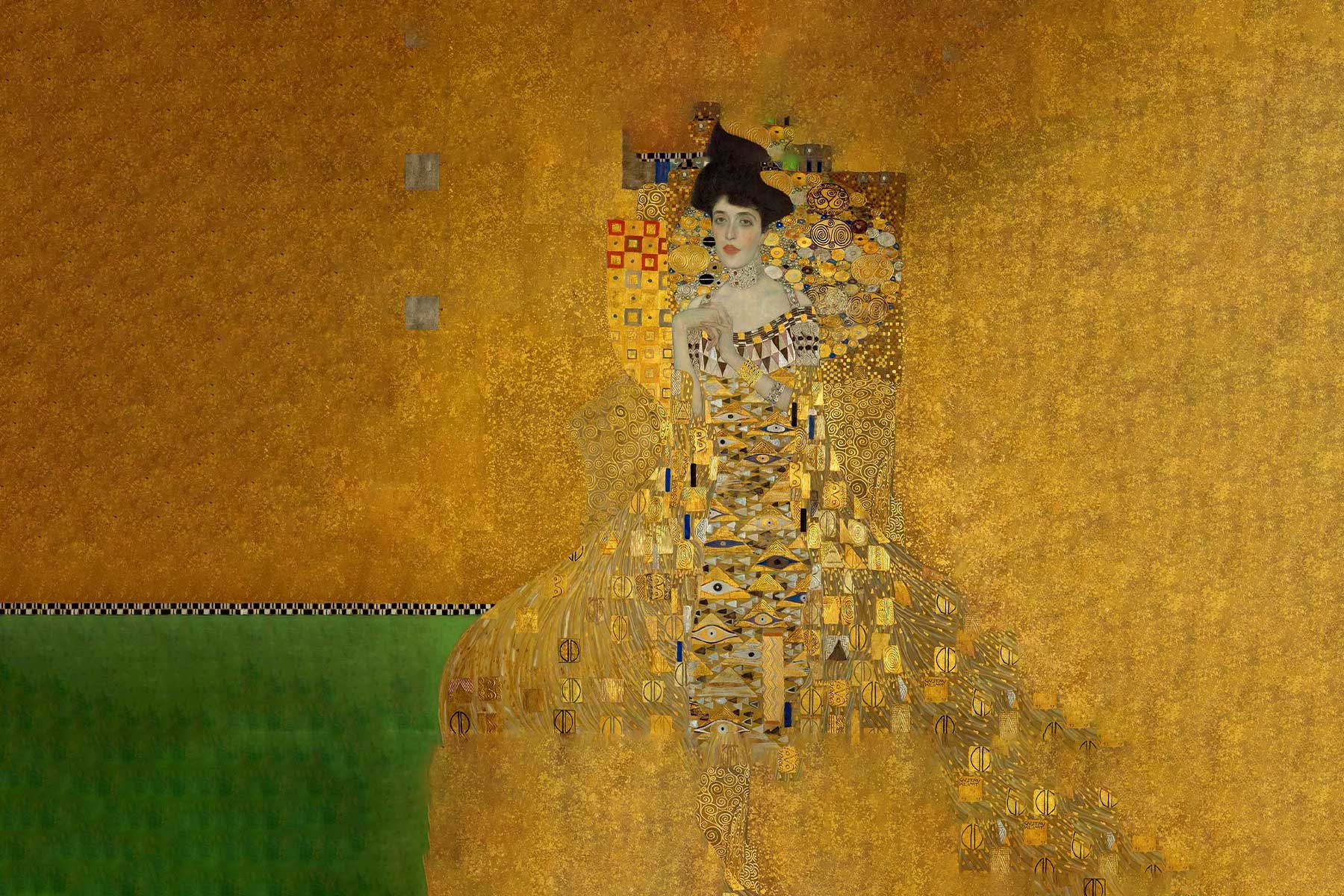
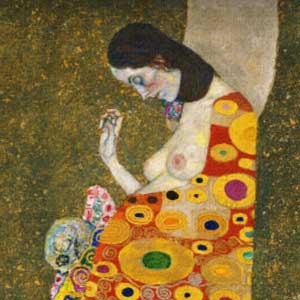
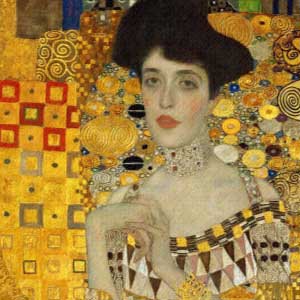
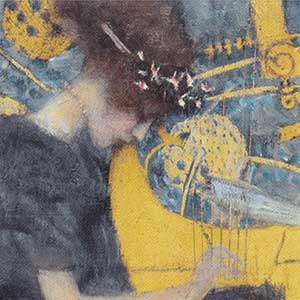
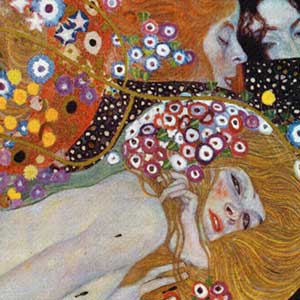
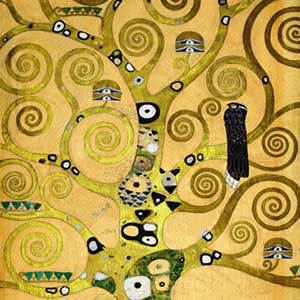
The Austrian symbolist Gustav Klimt opens our list at number 20. Klimt is known for his ornamental and decorative style, which is especially expressed in masterpieces like "The Kiss" and "The Tree of Life." His art captures the elegance of Fin de Siècle Vienna and stands out through its unique expression of sensuality and symbolism.
Reproductions of Gustav Klimt at artlia
 |
 |
 |
 |
 |
 |
 |
19. Raffaello Sanzio da Urbino (1483-1520)

The Italian Renaissance master Raffaello, better known as Raphael, secures 19th place. His harmonious compositions, including the iconic "The School of Athens," embody the ideals of the High Renaissance. Raphael's works are characterized by perfection and clarity, and his influence extends over centuries, inspiring subsequent generations of artists.
18. Diego Velázquez (1599-1660)

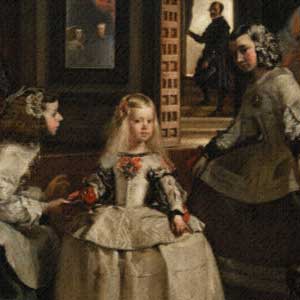
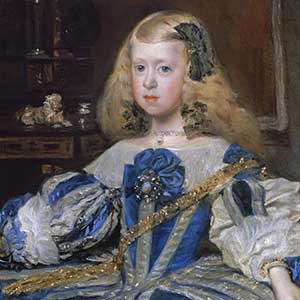
The Spanish Baroque painter Diego Velázquez ranks 18th with his captivating realism and masterful handling of light and shadow. Velázquez's "Las Meninas" is a masterpiece of image composition and a prime example of his ability to capture spatial depth and intimacy in his paintings.
Prints of Diego Velázquez at artlia
 |
 |
 |
17. Caravaggio (1571-1610)

In 17th place is the revolutionary Italian Baroque artist Caravaggio. Michelangelo Merisi, also known as Michael Angelo Merigi, after the hometown of his parents Caravaggio in Lombardy, commonly called "Caravaggio". His dramatic use of light and shadow in works like "The Calling of Saint Matthew" revolutionized the art world of the 17th century. Caravaggio's realistic approach and intimate depiction of biblical scenes had a lasting impact on the Baroque movement.
16. Jackson Pollock (1912-1956)

In the realm of abstract expressionism, American painter Jackson Pollock secures 16th place. Pollock's innovative drip painting technique, as seen in works like "No. 5, 1948," broke the boundaries of traditional art forms. His works express chaos and freedom, capturing the spirit of the post-war era.
A drip painting by Jackson Pollock is full of energy, creativity, and movement," says interior designer Anna. "Such dynamic motifs are perfect when you want to... Modern living room design and want to give it an expressive, lively touch. The powerful shapes break with classical patterns, spark exciting conversations with guests, and quickly turn the seating area into an inspiring and contemporary focal point of the room.
15. Titian (ca. 1488-1576)

The Venetian Renaissance master Titian occupies 15th place. Titian's ability to capture mythological narratives with unparalleled beauty in works like "Bacchus and Ariadne" reflects his masterful use of color and sensual depictions. His influence extends beyond the Renaissance into Baroque art.
14. Paul Cézanne (1839-1906)

The French Post-Impressionist Paul Cézanne takes 14th place. Cézanne is often regarded as a precursor to Cubism, and his innovative approach to form and perspective is clearly visible in works like "Mont Sainte-Victoire." His contribution to the development of modern art is invaluable.
13. Henri Matisse (1869-1954)

In 13th place, we find the French artist Henri Matisse, a leading figure of Fauvism. Matisse's bold use of color and innovative approach to form are evident in masterpieces like "The Dance" and "The Red Studio." Matisse's works demonstrate a creative force that challenged tradition and paved new paths in art.
12. Frida Kahlo (1907-1954)

The Mexican painter Frida Kahlo secures 12th place with her surreal and symbolic self-portraits. "The Two Fridas" is a touching example of Kahlo's ability to weave personal and cultural narratives. Her works are marked by pain, passion, and a unique feminist perspective that enriches the art world.
Prints of Frida Kahlo at ARTLIA
 |
 |
 |
11. Edgar Degas (1834-1917)

The French Impressionist Edgar Degas takes 11th place. Degas' depictions of ballet dancers and racehorses, such as in "The Ballet Class," capture movement with exquisite detail. His contribution to portraying the human body in motion shaped the art of Impressionism.
10. Salvador Dalí (1904-1989)

Rounding out the top 10 is the eccentric Salvador Dalí, a key figure of the Surrealist movement. Dalí's melting clocks in "The Persistence of Memory" and his explorations of the subconscious have left an indelible mark on art history. His unique perspective on reality and dream shaped the Surrealist genre.
9. Georgia O'Keeffe (1887-1986)

American modernist Georgia O'Keeffe secures 9th place on our list. O'Keeffe is known for her large-scale flower paintings and her depictions of New York skyscrapers. Her work symbolizes a unique blend of abstraction and representation that has endured over time.
8. Edvard Munch (1863-1944)

The Norwegian painter Edvard Munch ranks 8th. Best known for his iconic work "The Scream," Munch's contribution to Expressionism and his exploration of existential themes have left a lasting impact on the art world. His introspective portrayals of emotions have influenced a wide range of artists.
7. Johannes Vermeer (1632-1675)

The Dutch 17th-century master Johannes Vermeer takes 7th place. Vermeer is famous for his exquisite depictions of domestic life, such as "Girl with a Pearl Earring" and "The Milkmaid." His unparalleled skill in capturing light and texture has made Vermeer one of the outstanding artists of the Baroque period.
6. Rembrandt van Rijn (1606-1669)

The Dutch painter Rembrandt van Rijn secures 6th place. A master of portrait painting and chiaroscuro, Rembrandt's "The Night Watch" showcases his ability to bring depth and emotion to his subjects. His innovative use of light and shadow decisively shaped 17th-century art.
5. Claude Monet (1840-1926)

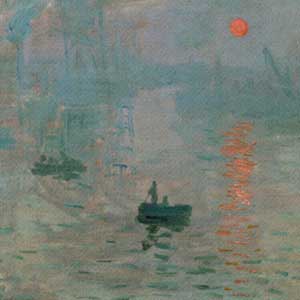
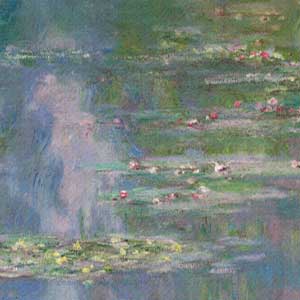
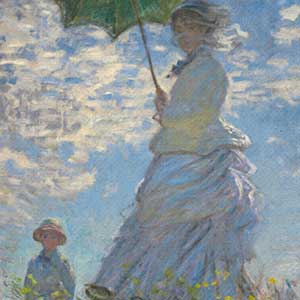
One of the pioneers of Impressionism, Claude Monet, takes 5th place on our list. Monet's dedication to capturing the fleeting effects of light and atmosphere is evident in masterpieces like "Water Lilies" and "Haystacks." Monet's depictions of nature have inspired an entire movement and paved the way for modern art.
Prints of Claude Monet at artlia
 |
 |
 |
 |
4. Pablo Picasso (1881-1973)

The cubist innovator Pablo Picasso takes 4th place. As a co-founder of the Cubism movement, Picasso's artistic development from the Blue and Rose periods to the groundbreaking works "Les Demoiselles d'Avignon" and "Guernica" marks him as a titan of 20th-century art. Picasso's multidimensional approach to art revolutionized the understanding of form and space.
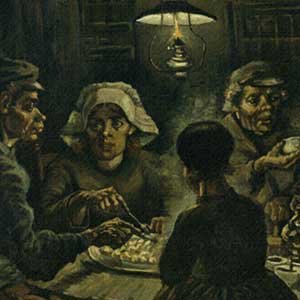
3. Vincent van Gogh (1853-1890)

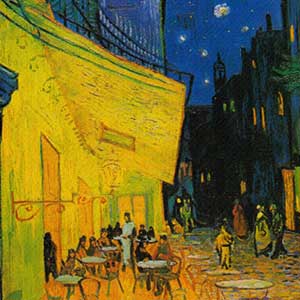
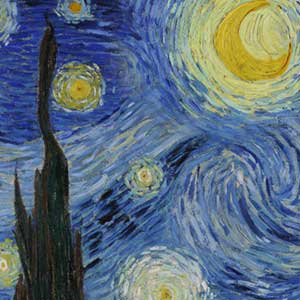
The tormented genius Vincent van Gogh takes 3rd place. Van Gogh's expressive and colorful works, including "Starry Night" and "Sunflowers," have left an indelible mark on the art world that transcends the boundaries of his tragic life. Van Gogh's unique expression of emotions and his connection to nature have made him an icon of art history.
Reproductions of Vincent van Gogh at ARTLIA
 |
 |
 |
 |
 |
 |
2. Michelangelo Buonarroti (1475-1564)

In the penultimate spot, we find the Renaissance polymath Michelangelo Buonarroti. Known for monumental sculptures like "David" and the impressive frescoes in the Sistine Chapel, Michelangelo's influence on art and culture is immeasurable. His genius spanned sculpture, painting, and architecture, and his legacy continues to shape notions of artistic greatness.
1. Leonardo da Vinci (1452-1519)

Topping our list is the epitome of the Renaissance man: Leonardo da Vinci. His mastery in various fields, from painting (embodied by the enigmatic "Mona Lisa" and the iconic "The Last Supper") to anatomy and engineering, cements Leonardo's status as the embodiment of artistic genius. Da Vinci's ability to unite art and science remains an unparalleled achievement in the history of creativity.
The Legacy of the Masters: A Look into the Future of Art
These 20 painters, spanning centuries and continents, have left a lasting legacy that continues to shape the world of art. Their contributions not only defined their respective eras but have transcended time, influencing generations of artists and art lovers. As we celebrate the diversity of styles and movements these painters represent, we remember the rich panorama that art history presents. Art is not static; it is a living, evolving reflection of human creativity.